


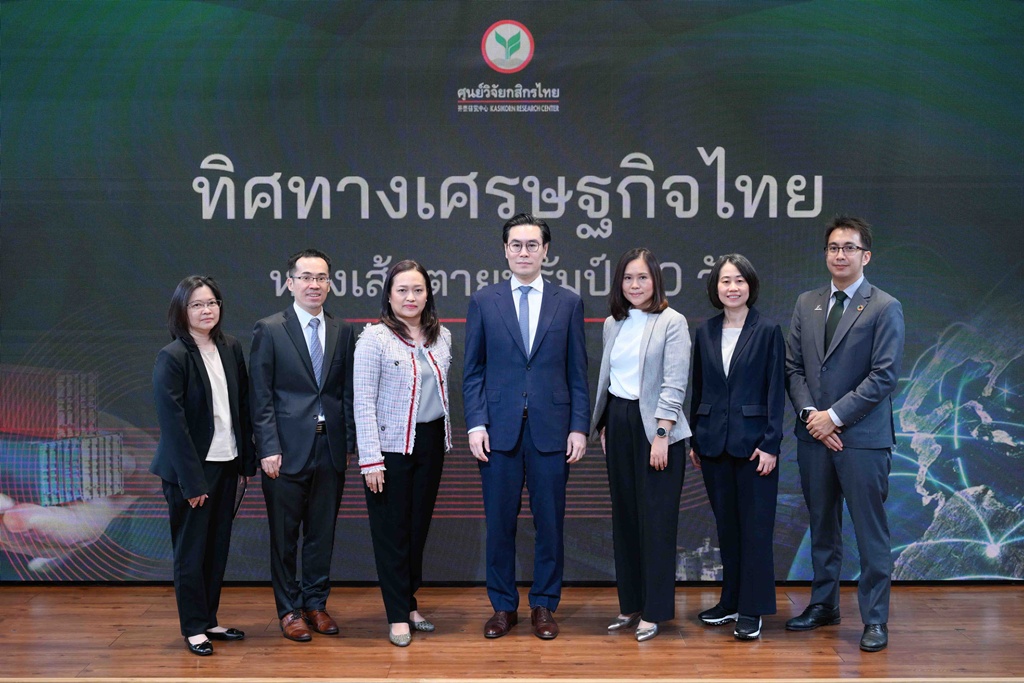
ศูนย์วิจัยกสิกรไทย มองเศรษฐกิจไทยยังคงเติบโตที่ 1.4% แม้ยังมีความเสี่ยงที่จะเกิดภาวะถดถอยทางเทคนิคจากมาตรการภาษีนำเข้าของสหรัฐฯ ทั้งภาคการส่งออก การแข่งขันในประเทศกับสินค้านำเข้า นักท่องเที่ยวต่างชาติที่ลดลง ยอดขายรถยนต์ที่หดตัว ยอดสินเชื่อที่ชะลอลง และความกังวลปัญหาหนี้เสีย อย่างไรก็ตาม หากอัตราภาษีนำเข้าสหรัฐฯ ในหลายประเทศยังคงไว้ที่ระดับ 10% ตลอดทั้งปี คาดว่าการส่งออกของไทยจะขยายตัวได้ที่ 0.5% และเศรษฐกิจไทยจะมีแนวโน้มเติบโตได้ 1.8%

นายบุรินทร์ อดุลวัฒนะ กรรมการผู้จัดการ และ Chief Economist บริษัท ศูนย์วิจัยกสิกรไทย จำกัด เปิดเผยว่า ความไม่แน่นอนของนโยบายด้านภาษีนำเข้าของประธานาธิบดีทรัมป์ส่งผลกระทบต่อภาคการค้า การลงทุนและเศรษฐกิจทั่วโลก โดยล่าสุด OECD ได้ปรับลดคาดการณ์การเติบโตของเศรษฐกิจโลกในปี 2568 ลง 0.2 % มาอยู่ที่ 2.9% และปรับประมาณการเศรษฐกิจสหรัฐฯ ลง 0.6% เหลือ 1.6% เมื่อเทียบกับการคาดการณ์เมื่อเดือนมีนาคม 2568ซึ่งความไม่แน่นอนของนโยบายของสหรัฐฯ ทั้งด้านการค้า การเงิน การคลัง การศึกษา และการเมืองภายในประเทศ ส่งผลให้ความเชื่อมั่นของนักลงทุนต่อค่าเงิน เสถียรภาพและศักยภาพของเศรษฐกิจสหรัฐฯ ลดลงอย่างมีนัยสำคัญ โดยค่าเงินดอลลาร์สหรัฐฯ อ่อนค่าลงกว่า 8% นับตั้งแต่ประธานาธิบดีทรัมป์เข้ารับตำแหน่ง ในขณะที่อัตราผลตอบแทนพันธบัตรรัฐบาลสหรัฐฯ ปรับตัวเพิ่มขึ้น
ด้านธนาคารกลางสหรัฐฯ (เฟด) ยังคงต้องดำเนินนโยบายอย่างระมัดระวัง ท่ามกลางความเสี่ยงจากเงินเฟ้อที่อาจเร่งตัวขึ้นจากการปรับขึ้นภาษีศุลกากร และความเสี่ยงที่เศรษฐกิจอาจชะลอตัว ถึงแม้ว่าจะเผชิญแรงกดดันให้ปรับลดดอกเบี้ยนโยบายลง
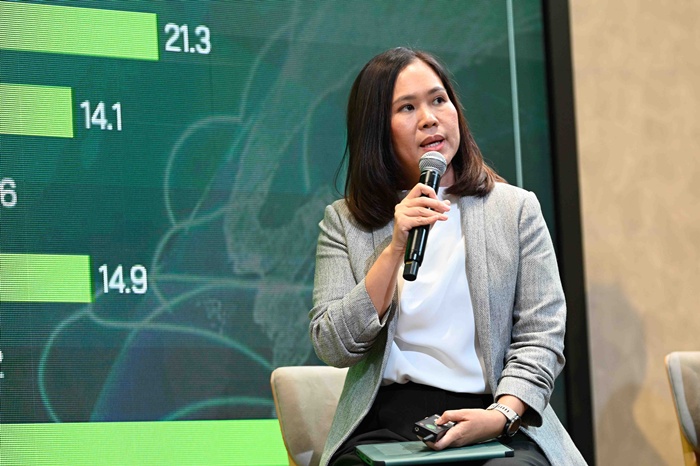
นางสาวณัฐพร ตรีรัตน์ศิริกุล รองกรรมการผู้จัดการ บริษัท ศูนย์วิจัยกสิกรไทย จำกัด เปิดเผยว่า มาตรการภาษีนำเข้าของสหรัฐฯ หลังการชะลอสิ้นสุดลงในวันที่ 9 กรกฎาคม 2568 ยังมีความไม่แน่นอนสูงทำให้ศูนย์วิจัยกสิกรไทยมองเศรษฐกิจไทยยังคงเติบโตที่ 1.4% และเศรษฐกิจไทยในช่วงครึ่งหลังของปี 2568 ยังมีความเสี่ยงที่จะเกิดภาวะถดถอยทางเทคนิค อย่างไรก็ตาม หากอัตราภาษีนำเข้าสหรัฐฯ ในหลายประเทศยังคงไว้ที่ระดับ 10% ตลอดทั้งปี คาดว่าการส่งออกไทยจะขยายตัวได้ที่ 0.5% และเศรษฐกิจไทยจะมีแนวโน้มเติบโตได้ 1.8%

นางสาวเกวลิน หวังพิชญสุข รองกรรมการผู้จัดการ บริษัท ศูนย์วิจัยกสิกรไทย จำกัด ให้ความเห็นว่าภาษีสหรัฐฯ ที่ไม่ชัดเจนจะทำให้การผลิตภาคอุตสาหกรรมหดตัวต่อเนื่องจากความเสี่ยงการส่งออกไปสหรัฐฯ และจีนในกลุ่มอิเล็กทรอนิกส์ ชิ้นส่วนรถยนต์ เครื่องจักรกล เหล็ก ผลิตภัณฑ์พลาสติก เคมีภัณฑ์ เป็นต้น รวมถึงการแข่งขันในประเทศกับสินค้านำเข้า โดยคาดว่าสัดส่วนมูลค่าการนำเข้าสินค้าอุปโภคต่อยอดขายของธุรกิจค้าปลีกปี 2568 จะอยู่ที่กว่า 30% และคาดว่าจำนวนนักท่องเที่ยวต่างชาติในปีนี้จะหดตัวเป็นครั้งแรกในรอบ 3 ปี
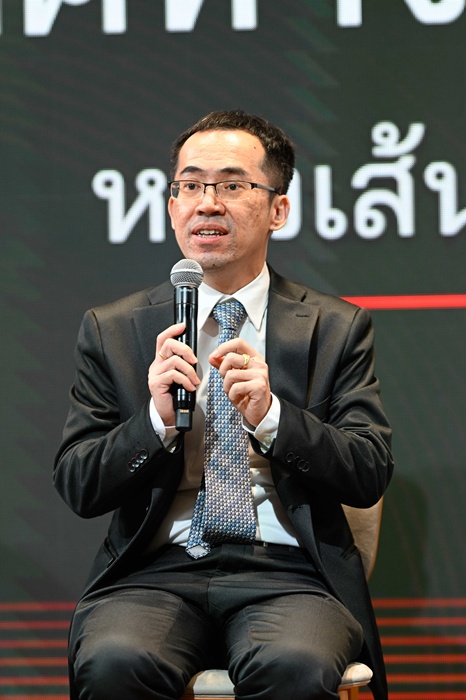
ดร.รุจิพันธ์ อัสสะรัตน์ ผู้ช่วยกรรมการผู้จัดการ บริษัท ศูนย์วิจัยกสิกรไทย จำกัด คงมองว่ายอดขายรถยนต์ในประเทศจะหดตัวลึกขึ้นในช่วงครึ่งปีหลังที่ -1.7% YoY เทียบกับ -1.0% YoY ในช่วงครึ่งปีแรก จากภาวะเศรษฐกิจที่อ่อนแอและการปล่อยสินเชื่อที่เข้มงวด แม้ว่าจะมีปัจจัยบวกจากยอดขายรถยนต์ไฟฟ้าแบตเตอรี่ (Battery Electric Vehicle, BEV) ที่เร่งขึ้น จากการแข่งขันด้านราคาของรถจากจีน ขณะที่รายได้ภาคเกษตรไทยมีแนวโน้มหดตัวจากแรงกดดันทั้งด้านราคาและความต้องการสินค้าเกษตรที่ลดลง รวมถึงการแข่งขันที่สูงขึ้นในตลาดสินค้าเกษตรโลก
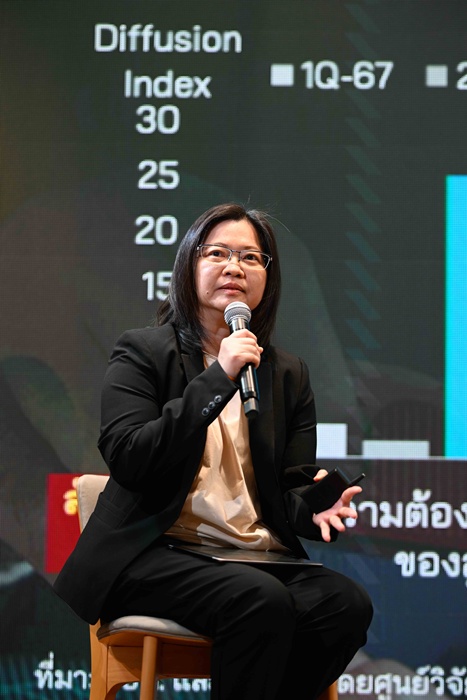
ดร.กาญจนา โชคไพศาลศิลป์ ผู้บริหารงานวิจัย บริษัท ศูนย์วิจัยกสิกรไทย จำกัด เพิ่มเติมมุมมองด้านสภาวะการระดมทุนของภาคเอกชนว่ายังอ่อนแอต่อเนื่องจากความต้องการสินเชื่อที่ชะลอลง การชำระคืนหนี้ที่เพิ่มขึ้น รวมถึงสถาบันการเงินที่ยังคงกังวลเรื่องปัญหาหนี้เสีย ทำให้ศูนย์วิจัยกสิกรไทยปรับประมาณการสินเชื่อของระบบธนาคารพาณิชย์ไทยในปีนี้ลงมาที่ -0.6% จากเดิมที่ 0.6% ในขณะเดียวกัน มองว่า เอ็นพีแอลยังเป็นขาขึ้น แม้ว่าตัวเลขอาจไม่เกิน 3% ต่อสินเชื่อรวม โดยสถาบันการเงินจะยังคงพยายามเร่งจัดการหนี้เสีย และหนี้ที่เริ่มมีวันค้างชำระ ด้วยการปรับโครงสร้างหนี้และการขายหนี้เสียออกไป เป็นต้น
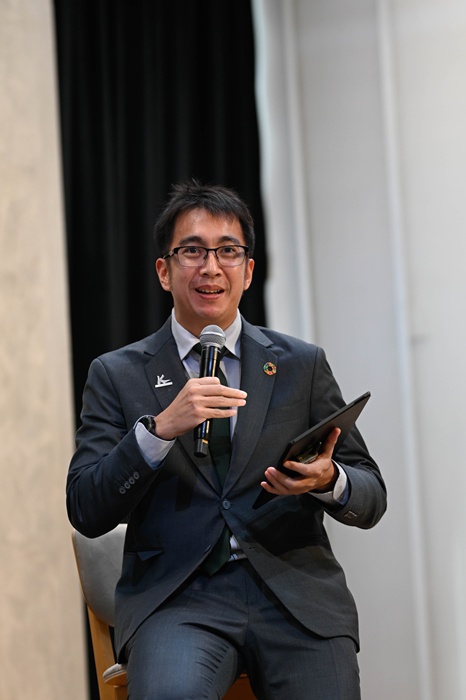
ดร.กฤตย์ สีตะธนี ผู้ช่วยกรรมการผู้จัดการ บริษัท ศูนย์วิจัยกสิกรไทย จำกัด ให้ข้อมูลว่ากิจกรรมด้าน ESG ของภาคเอกชนไทยก็ชะลอลงเช่นกัน ท่ามกลางหลายปัจจัยลบ การออกหุ้นกู้ Sustainable Finance ลดลง โดยส่วนหนึ่งเปลี่ยนมาเป็นการใช้บริการสินเชื่อสีเขียวจากธนาคารพาณิชย์ ที่ข้อมูลเป้าหมายการปล่อยสินเชื่อสีเขียวในปีนี้ จะยังคงขยายตัวค่อนข้างสูง โดยกลุ่มที่ยังระดมทุนอยู่เน้นไปที่ธุรกิจรายใหญ่ผ่านโครงการ Project Finance ที่มีแผนการระดมทุนอยู่แล้ว ขณะที่ธุรกิจเอสเอ็มอีคงเลือกชะลอแผนไปก่อน หรือเน้นลงทุนในกิจกรรมที่เกี่ยวกับแผงโซลาร์เซลล์ (Solar Panel), การประหยัดพลังงาน หรือรถยนต์ไฟฟ้าแบตเตอรี่ (BEV) ที่เห็นความคุ้มค่าค่อนข้างชัดเจนในระยะสั้น
ศูนย์วิจัยกสิกรไทย กล่าวในต้อนท้ายว่า เพื่อรับมือกับทิศทางเศรษฐกิจในช่วงครึ่งปีหลังที่มีความไม่แน่นอนมากขึ้น ภาครัฐควรเน้นการใช้งบประมาณอย่างมีประสิทธิภาพ โดยสามารถเน้นมาตรการระยะสั้นที่ยังมีความจำเป็น แต่ต้องให้ความสำคัญเพิ่มขึ้นกับมาตรการระยะยาวเพื่อปรับโครงสร้างเศรษฐกิจไทยด้วย ส่วนมาตรการเยียวยาเฉพาะหน้า เพื่อลดแรงกระแทกให้กับผู้ผลิตที่ได้รับผลกระทบเรื่องภาษีสหรัฐฯ คงต้องมุ่งสนับสนุนสินค้าที่ใช้วัตถุดิบหรือผลิตในประเทศ (Local Content และ Made in Thailand) รวมทั้งเร่งพลิกฟื้นความเชื่อมั่นนักท่องเที่ยวและกระตุ้นตลาดนักท่องเที่ยวหลัก ขณะที่ คำแนะนำสำหรับธุรกิจ คือ การรักษากระแสเงินสด เพื่อรองรับความไม่แน่นอนที่ยังอยู่ในระดับสูง
KResearch expects Thailand’s economy will grow at 1.4 percent in 2025 amid lingering uncertainty
KASIKORN RESEARCH CENTER (KResearch) projects that the Thai economy will grow at 1.4 percent in 2025 despite ongoing risks that may arise from a technical recession due to the US import tariffs, the export sector, competition with imported goods, a decline in the number of international tourist arrivals, shrinking automobile sales, slowing credit growth, and concerns over non-performing loans. However, if the US import tariffs on many countries remain at 10 percent during the rest of the year, Thailand’s exports are expected to see growth of 0.5 percent, and the overall economy may grow at 1.8 percent.
Mr. Burin Adulwattana, Managing Director and Chief Economist, KASIKORN RESEARCH CENTER Co., Ltd., said that the uncertainty surrounding President Trump’s import tariff policy has affected global trade, investment, and the economy. The Organization for Economic Co-operation and Development (OECD) recently lowered its global GDP growth forecast for 2025 by 0.2 percent to 2.9 percent, as well as cutting its US economic growth forecast for 2025 by 0.6 percent to 1.6 percent, against the figure projected in March 2025. The uncertainty surrounding US policies regarding trade, finance, fiscal matters, education, and domestic politics has significantly eroded investor confidence towards the US dollar’s value and stability, as well as the potential of the US economy. The greenback has depreciated by more than 8 percent since President Trump took office, while US government bond yields have increased.
Meanwhile, the US Federal Reserve (Fed) must continue to implement its policies cautiously amid the dual risks of potential acceleration in inflation from tariff hikes and economic slowdown despite the pressure to cut the policy rate.
Ms. Nattaporn Triratanasirikul, KResearch Deputy Managing Director, expects that the uncertainty surrounding US import tariffs will remain high even after the temporary delay ends on July 9, 2025. This has led KResearch to maintain its Thai economic growth forecast for 2025 at 1.4 percent. Looking into the second half of 2025, the Thai economy may still face a risk of technical recession. However, if the US import tariff rate remains at 10 percent across almost all countries for the rest of 2025, Thai exports are expected to see growth of 0.5 percent, and the Thai economy may grow at 1.8 percent.
Ms. Kevalin Wangpichayasuk, KResearch Deputy Managing Director, is of the view that the unclear US import tariff policy would lead to a continued contraction in industrial production due to the risks stemming from exports to the US and China, particularly in sectors such as electronics, auto parts, machinery, steel, plastic products, and chemicals. This also includes competition with imported goods. The proportion of import value of consumer goods to total retail sales in 2025 is projected to exceed 30 percent. Meanwhile, the number of foreign tourist arrivals this year is expected to drop for the first time in three years.
Dr. Rujipun Assarut, KResearch Assistant Managing Director, views that domestic car sales will contract further in the second half of the year by -1.7 percent YoY, compared to -1.0 percent YoY in the first half. This is due to a sluggish economy and stricter lending criteria, despite positive momentum from accelerating sales of battery electric vehicles (BEVs) driven by price competition from Chinese automakers. Meanwhile, agricultural income is expected to decline due to pressure from falling prices and reduced demand for farm products, along with heightened competition in the global agricultural market.
Dr. Kangana Chockpisansin, Head – Research at KResearch, added that fundraising in the private sector remains muted due to slowing credit demand, rising debt repayments, and ongoing concerns among financial institutions over non-performing loans (NPLs). KResearch has thus revised down its forecast for loan growth in the Thai banking system this year to -0.6 percent, from an earlier projection of 0.6 percent. At the same time, KResearch views that NPLs are still on an upward trend, although the ratio may not exceed 3 percent of total loans. Financial institutions will continue to expedite the management of NPLs and delinquent debts through debt restructuring and selling off bad debts.
Dr. Krit Sitathani, KResearch Assistant Managing Director, added that Thai private sector ESG activities have also slowed amid several negative factors, especially the declining issuance of sustainable finance bonds, with some shifting to using green credit services from commercial banks. Data indicates that this line of service will continue to expand. Meanwhile, groups still raising funds may focus on large businesses through project finance with existing fundraising plans. At the same time, SMEs are likely to delay their plans or focus on investing in activities related to solar panels, energy savings, or battery electric vehicles (BEVs), which show relatively clear short-term cost-effectiveness.
KResearch added that to cope with the more uncertain economic direction in the second half of 2025, the government should focus on efficient budget utilization, implement necessary short-term measures, and place greater emphasis on long-term measures to restructure Thailand’s economy. As for the immediate remedial measures to cushion the impact on manufacturers affected by the US tariff hikes, efforts must focus on promoting local content and made in Thailand products, urgently restoring tourist confidence, and stimulating key tourist markets. Meanwhile, businesses are advised to maintain their cashflows to brace for high uncertainty.

 Sabaidee Thailand
ใส่ความเห็น